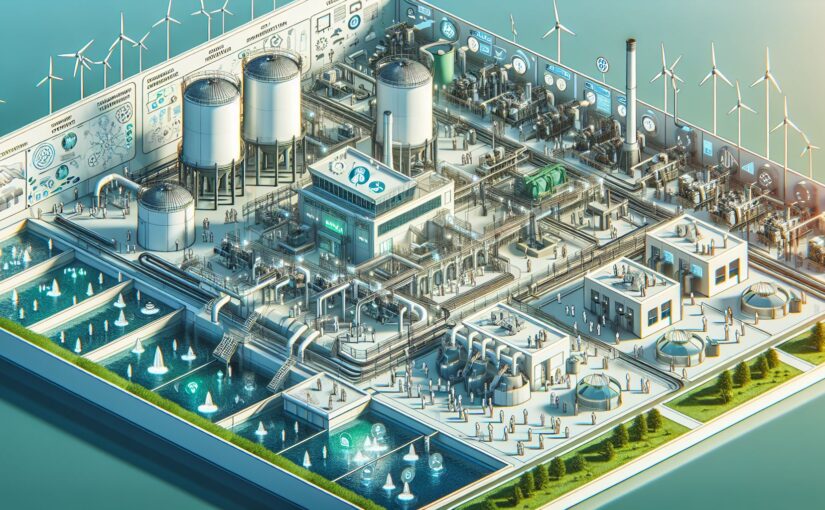
The water and wastewater industry is a vital sector responsible for the management, treatment, and distribution of water, as well as the treatment and disposal of wastewater. Here we present an independent reference of the significant developments and trends affecting this industry.
Innovation in Water Treatment Technologies
One of the most crucial areas of development in the water industry pertains to treatment technologies. Advances in this domain are leading to more efficient systems that deliver cleaner, safer water. One such advancement is nanotechnology, which employs nanoscale compounds to remove harmful substances such as heavy metals and disinfection byproducts from water.
Another burgeoning technology is biotechnology, where biological systems such as bacteria or algae are used to treat water. These green technologies are seen as more sustainable and eco-friendly alternatives for water treatment, contributing to less pollution and energy consumption.
Emerging Trends in Wastewater Treatment
When discussing the wastewater sector, the focus often lies on treatment advances that aid in both sanitation and resource recovery. For instance, wastewater is increasingly seen as a potential source of energy. Certain treatment technologies can capture and use the methane produced during treatment processes, effectively converting waste into usable energy.
Water resource recovery facilities are also making headway. These plants go beyond traditional wastewater treatment by extracting valuable resources like nutrients and bio-solids from wastewater. Nutrients, such as phosphorus and nitrogen, can be used as fertilizers in agriculture, while bio-solids can be processed into compost.
For more insights into recent industry advancements, WaterandWastewater.com offers a comprehensive guide featuring up-to-date news, articles, and resources.
Technological Advances in Industry Operations
Apart from the treatment processes themselves, the water and wastewater industry is also experiencing significant operational developments, predominantly brought on by technological advances.
The adoption of data analytics and machine learning techniques, for instance, is improving operational efficiency in water and wastewater plants. These technologies enable predictive maintenance, allowing for early detection of potential failures or breakdowns in equipment.
Automation is another aspect deserving mention. Automated systems offer improved accuracy in terms of metering, billing, and leak detection reducing errors and inefficiencies.

The potential for implementing smart technologies in water infrastructure is vast, and the industry continues to explore these depths for further optimization.
Regulatory Initiatives
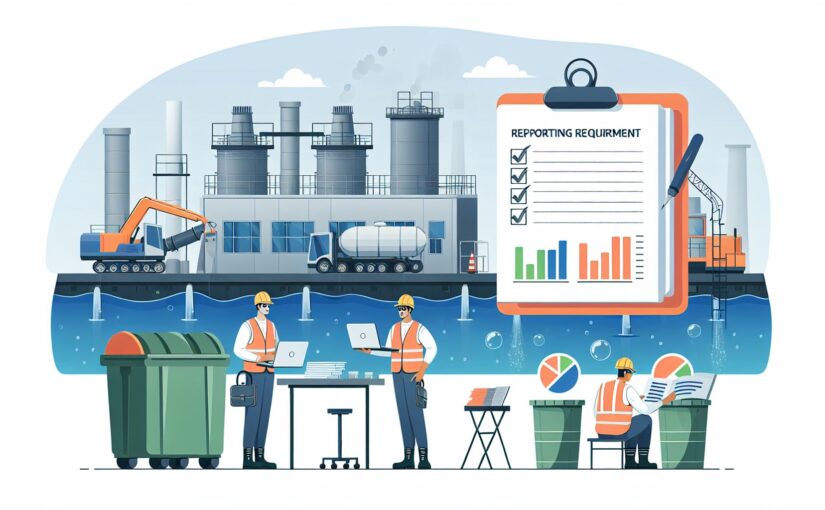
New regulations and standards have always played a significant role in shaping the water and wastewater industry. Regulatory agencies like the U.S. Environmental Protection Agency (EPA) periodically introduce new rules to manage water and wastewater treatment.
For example, the latest EPA regulations mandate stricter controls over nutrient pollution in wastewater, pushing for better nutrient removal technologies. Understanding and adhering to such regulatory requirements is critical for operators in the industry.
Future Challenges and Opportunities
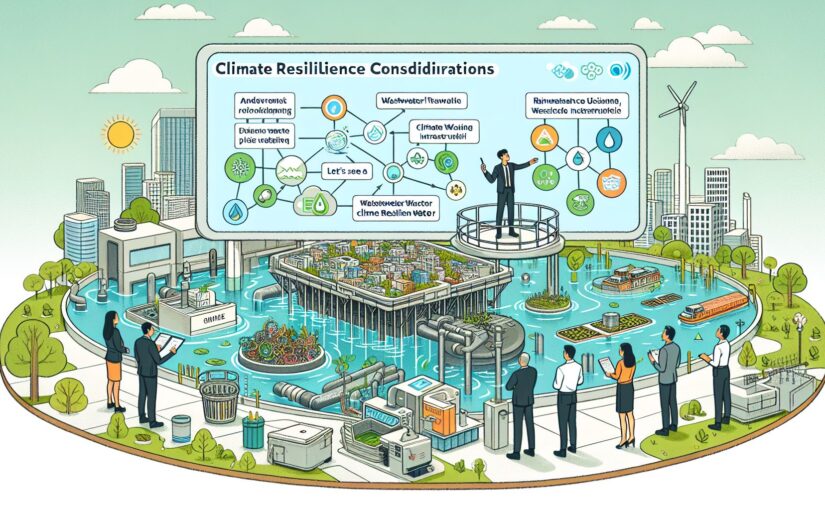
The water and wastewater industry faces a multitude of challenges, including aging infrastructure, population growth, climate change impacts, and heightened public health concerns. These issues necessitate continued advancements in treatment technologies and resource management strategies.
Despite these challenges, the sector also presents a myriad of opportunities. The ongoing emphasis on sustainability and resource optimization opens avenues for new technologies and practices. Moreover, the integration of smart technologies can radically transform the way the industry operates, offering improved performance and efficiency.
In conclusion, independent references on water and wastewater industry developments offer valuable insights into the sector’s trends, challenges, and opportunities. These references play an essential role in furthering the industry’s aims, guiding operators, regulators, and other stakeholders towards decisions and actions that sustainably manage our vital water resources.